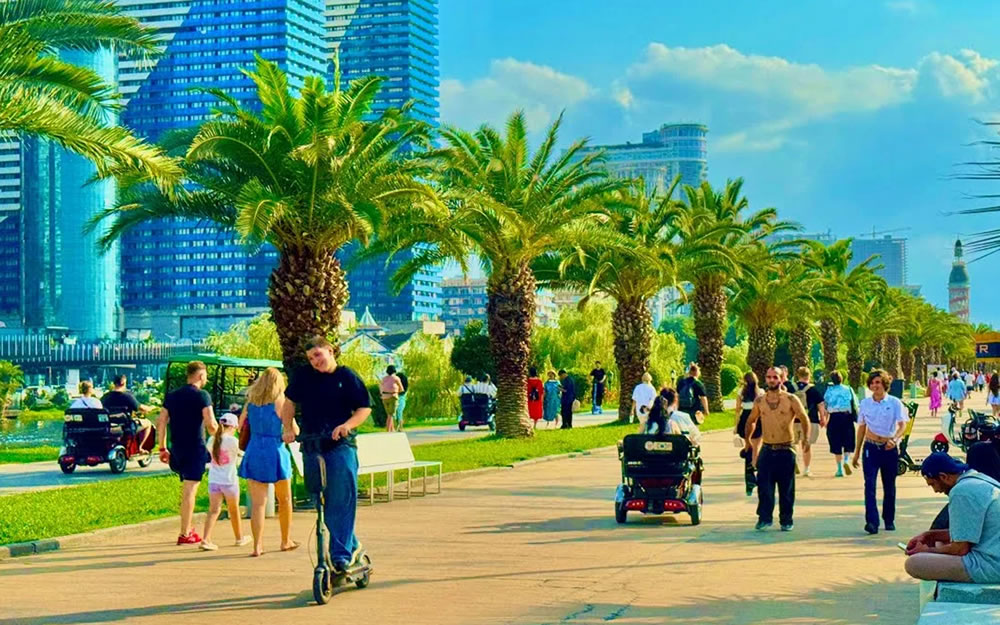
Batumi has long outgrown its status as just a tourist destination. Today, more and more people are choosing the city for relocation, long-term living, and buying property for personal use. Digital nomads, families with children, remote workers, and investors are increasingly viewing seaside housing here as an affordable alternative to European resort cities.
The main question for most newcomers is simple: how much does comfortable living in Batumi actually cost in 2026? In this guide, we break down the main expense categories - rent, utilities, groceries, transportation, and everyday spending. All estimates are based on real-life experience and current market prices.
Rental Costs in Batumi in 2026
Rent remains the largest monthly expense. However, housing in Batumi is still approximately 15–20% cheaper than in Tbilisi. This is mainly due to active development, a large supply of new residential complexes, and a less overheated real estate market.
The most popular areas for long-term rentals include New Boulevard, Khimshiashvili Street, and modern seaside districts close to the beach.
A studio apartment with modern renovation in a residential area starts at around $300 per month. A 1+1 apartment typically costs $500–600 per month. Two-bedroom apartments with sea views in frontline new developments can range from $800 to $1,000 or more depending on the size, floor, and building amenities.
Seasonality is important to consider. Short-term rental prices rise sharply during summer, but long-term contracts for 11–12 months usually allow tenants to lock in stable prices before the high tourist season begins.
Utilities and Internet
Utility costs in Batumi vary significantly depending on the season. The city has a humid climate, and winter temperatures often stay around +5 to +8 °C, which feels colder because of the humidity. Many residents rely on air conditioners and electric heaters during winter months.
In the warmer season, electricity, water, and garbage collection cost around $50 per month. During winter, monthly utility bills can increase to $80–100, mainly because of heating expenses.
Internet and mobile services in Georgia remain among the most affordable in the region. Home internet and a mobile phone plan typically cost $10–15 per month with stable speeds and reliable coverage.
Even property owners should include utilities in their monthly calculations, especially when estimating rental profitability.
Grocery Prices in Batumi
Food expenses largely depend on where you shop - local markets or supermarkets.
Traditional markets remain the most affordable option for fresh vegetables, fruit, herbs, meat, and fish. During the season, tomatoes and cucumbers cost around 2–5 GEL per kilogram, while fresh herbs cost 1–2 GEL per bunch. Meat and seafood are often cheaper at markets than in chain supermarkets.
Supermarkets such as Carrefour, Goodwill, and Nikora offer greater convenience but at higher prices. Basic local products - dairy, bread, pastries, and ready-made meals - remain affordable. For example, khinkali cost around $0.25 each, and ten pieces make a filling meal.
Imported products such as European cheeses, sweets, olives, and exotic fruits are significantly more expensive and can noticeably increase your monthly grocery bill.
Average monthly grocery expenses are approximately:
- $150–250 per month for one person cooking at home;
- around $400–500 per month for a family of three.
Cafés and Restaurants: Eating Out in Batumi
Compared to most European seaside cities, Batumi remains relatively affordable for dining out.
A business lunch at a casual café costs around $4–7 per person. Dinner for two at a good restaurant with wine and hot dishes usually costs $15–25. Street food and traditional Georgian pastries are even cheaper.
Prices in tourist areas - especially near the boulevard and city center - are noticeably higher. However, moving just a few streets away from the waterfront can reduce prices by 1.5–2 times.
Most expats spend around $50–100 per month per person on cafés and restaurants if dining out several times a week.
Transportation in Batumi
Public transportation in Batumi is inexpensive and convenient. A municipal bus ride costs about 1 GEL, while a daily unlimited transport pass costs 3 GEL.
Taxi services are also affordable. Bolt, Yandex Go, and Maxim offer rides across the city for around 3.5–7 GEL. Even a ride from the railway station to the city center rarely exceeds 10 GEL.
For car owners, the main expenses include:
- fuel - around $1 per liter;
- city-center parking - 0.5–1 GEL per hour;
- insurance and maintenance - standard regional costs.
At the same time, owning a car in Batumi is not essential for daily life, as public transport and taxis are usually sufficient.
For longer trips, the high-speed Batumi–Tbilisi train is available. Tickets cost around $10–15, and the journey takes approximately five hours.
How Much Does It Cost to Live in Batumi in 2026?
Budget Scenario for One Person:
- studio apartment - $300;
- groceries - $180;
- transportation - $15;
- mobile and internet - $12;
- cafés and entertainment - $30;
- insurance - $30;
- utilities - $50–80.
Total: around $600–650 per month.
Comfortable Lifestyle for One Person:
- 1+1 apartment - $600;
- groceries and imported products - $250;
- taxis and transport - $50;
- mobile and internet - $15;
- cafés and restaurants - $100;
- fitness membership - $40;
- insurance - $40;
- utilities - $50–80.
Total: approximately $1,150–1,200 per month.
Comfortable Lifestyle With a Car
Additional expenses include:
- fuel - $50–100;
- parking - around $20;
- vehicle maintenance - from $30.
Total monthly budget: $1,300–1,600.
Family of Three
A family budget with a two-bedroom apartment, a car, and full food expenses starts at approximately $1,800 per month.
Final Thoughts
The cost of living in Batumi in 2026 remains one of the most attractive among seaside cities in Europe and the Caucasus region. With a budget of $700–900 per person, it is possible to live comfortably without major compromises, while a family budget starting from $1,800 allows for quality housing, car ownership, and regular dining out.
For investors, understanding real living expenses is especially important, as it helps accurately calculate rental profitability and account for seasonal demand fluctuations.
If you are considering relocating to Batumi or purchasing property there, it is important to evaluate not only apartment prices but also your future monthly living expenses.